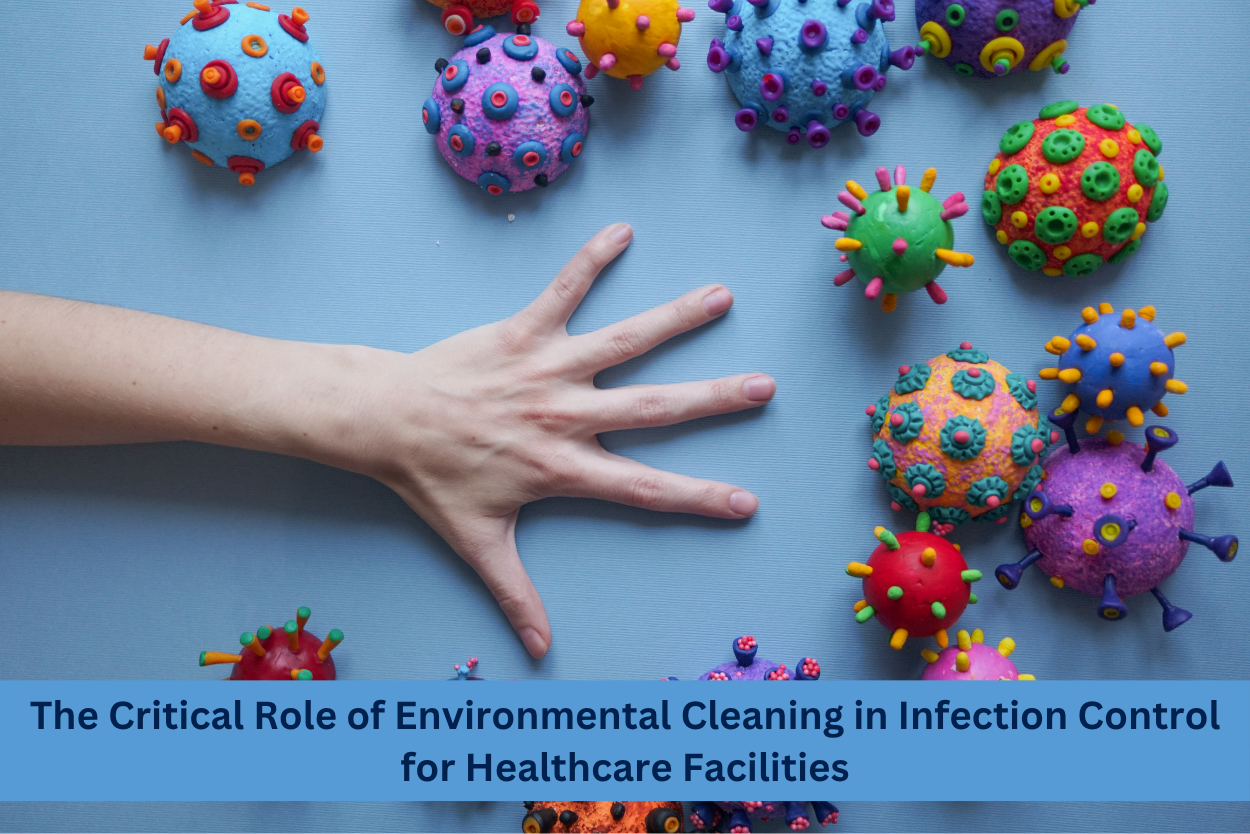
When people think of infection prevention, they often picture vaccines, antibiotics, and sterile tools. Yet one essential factor often works quietly behind the scenes — environmental cleaning. From hospitals and clinics to schools and manufacturing facilities, cleaning is one of the most effective ways to stop pathogens before they spread. At Supreme Maintenance Organization (SMO), we view cleaning as a critical part of infection control, not just maintenance. Our mission is to help facilities protect the health of their teams and communities through proven cleaning programs designed for safety, compliance, and long-term results.
Why Environmental Cleaning Matters
Breaking the Chain of Infection
Pathogens can spread through direct contact, airborne particles, or contaminated surfaces. Cleaning and disinfecting these surfaces remove or inactivate germs that could otherwise cause illness. According to the Centers for Disease Control and Prevention (CDC), environmental cleaning is a fundamental part of infection prevention and control.
Research shows that pathogens such as MRSA, VRE, and C. difficile can survive on surfaces for days or even weeks, increasing the risk of cross-contamination. (PubMed: The Role of Environmental Cleaning in the Control of Hospital Pathogens)
Reducing Healthcare-Associated Infections (HAIs)
Healthcare-associated infections (HAIs) affect millions of patients every year and place a significant burden on healthcare systems. Studies demonstrate that effective cleaning and disinfection programs in high-risk areas, such as operating rooms and intensive care units, can greatly reduce infection rates. (CDC: Environmental Cleaning Procedures)
Addressing Antimicrobial Resistance (AMR)
Antimicrobial-resistant organisms, like MRSA, thrive when cleaning is inconsistent or ineffective. Strong cleaning protocols help prevent the spread of resistant bacteria, supporting antibiotic stewardship efforts. The World Health Organization (WHO) emphasizes environmental cleaning as a core component of reducing antimicrobial resistance in healthcare facilities.
Best Practices for Effective Environmental Cleaning
1. Tailor Cleaning Frequency by Risk
Cleaning frequency should be based on how areas are used, who uses them, and the level of contamination risk. High-touch surfaces such as bed rails, light switches, and door handles should receive extra attention throughout the day. The CDC recommends creating cleaning schedules that prioritize areas with higher exposure potential.
2. Clean First, Then Disinfect
A two-step process — cleaning followed by disinfection — ensures that organic material does not block the effectiveness of disinfectants. Products should always be used according to their label instructions, including contact time and dilution.
3. Follow a Systematic Process
Cleaning should move from clean areas to dirty ones and from high to low surfaces. Staff should use fresh cloths and mop heads between rooms to prevent cross-contamination. Using visual checklists helps maintain consistency.
4. Train and Empower Cleaning Teams
Cleaning professionals are a vital part of infection prevention. Ongoing training ensures that they understand safety procedures, correct disinfectant use, and infection control principles. At SMO University, we bring this principle to life by providing every team member with continuous, hands-on training designed to strengthen skills, safety awareness, and cleaning expertise. Our education programs go beyond basic instruction; they build confidence and consistency in the field.
5. Monitor and Verify Cleaning Performance
Verification methods such as fluorescent markers, ATP bioluminescence testing, and visual inspections help measure the effectiveness of cleaning efforts. For example, Hygiena’s ATP testing technology is used across many industries to ensure surfaces are properly cleaned before disinfection.
Studies show that regular monitoring and feedback lead to measurable improvements in cleaning outcomes. (Journal of Hospital Infection)
How SMO Supports Infection Control
At SMO, we help organizations elevate their cleaning programs with a data-driven approach to infection prevention. Our team provides:
· Customized cleaning assessments and schedules tailored to facility layout and risk zones
· Professionally trained staff who receive continuous education in cleaning for health and safety
· EPA-registered disinfectants appropriate for healthcare and industrial environments
· Auditing and reporting systems that verify cleanliness and ensure compliance
· Specialized cleaning programs for high-risk areas such as isolation rooms, surgical suites, and research labs
Elevate Your Cleaning Standards with SMO
Environmental cleaning is much more than surface care — it is one of the most important defenses against infection. When cleaning programs are strategic, evidence-based, and well-managed, they help prevent disease transmission, reduce healthcare costs, and safeguard both staff and patients. At Supreme Maintenance Organization, we are proud to help organizations maintain cleaner, safer, and healthier environments through professional cleaning programs rooted in the latest cleaning standards and care.
Call us today at 800-717-4766 for your free consultation or Visit SMOWorks.com to learn more and request a quote.