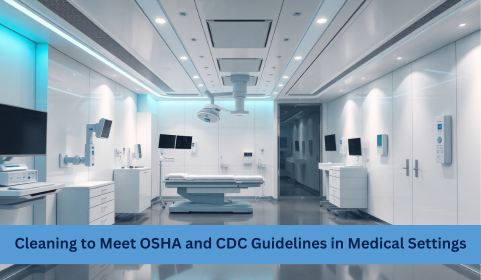
In medical environments, cleanliness isn’t just about appearance — it’s a critical component of patient and staff safety. Proper cleaning protocols help minimize the spread of infectious disease, reduce healthcare-associated infections (HAIs), and support regulatory compliance. At Supreme Maintenance Organization (SMO), we understand what it takes to meet — and exceed — OSHA and CDC expectations for medical facilities.
Why OSHA and CDC Compliance Matters in Medical Cleaning
Healthcare facilities operate under stricter regulations than most commercial spaces. The Occupational Safety and Health Administration (OSHA) requires employers to protect workers from exposure to infectious materials and hazardous chemicals, including those used during cleaning and disinfection. OSHA’s standards emphasize safe work practices, proper training, and hazard communication to reduce workplace risk.
At the same time, the Centers for Disease Control and Prevention (CDC) identifies environmental cleaning as a core strategy for infection prevention. According to CDC guidance, routine and targeted cleaning of healthcare environments plays a direct role in limiting pathogen transmission and protecting vulnerable populations.
Facilities that fail to follow these guidelines may face increased infection risk, operational disruptions, and regulatory consequences.
Key OSHA and CDC Cleaning Requirements for Healthcare Facilities
Routine Cleaning and High-Touch Surface Disinfection
The CDC recommends frequent cleaning and disinfection of high-touch surfaces such as door handles, bed rails, exam tables, light switches, and waiting room furniture. These areas should be cleaned on a scheduled basis, with increased frequency in patient care and high-traffic zones. You can review these expectations in the CDC’s Environmental Infection Control Recommendations.
Use of EPA-Registered Disinfectants
OSHA and CDC guidance align on the use of EPA-registered hospital-grade disinfectants. Surfaces should first be cleaned to remove debris, followed by application of disinfectants for the full manufacturer-recommended dwell time to ensure effectiveness. OSHA highlights these practices in its healthcare cleaning and disinfection guidance.
Personal Protective Equipment (PPE) and Worker Safety
OSHA standards require healthcare cleaning staff to use appropriate PPE when handling disinfectants or working in areas with potential biological exposure. Proper PPE use, chemical labeling, and staff training are addressed under OSHA’s hazard communication and bloodborne pathogen standards. Additional details are outlined in OSHA’s environmental services guidance.
Terminal and Specialized Cleaning
Certain areas — including exam rooms, isolation rooms, and procedural spaces — require terminal cleaning following patient discharge or medical procedures. These deeper cleaning processes reduce residual contamination and align with CDC’s healthcare cleaning procedures.
How SMO Supports OSHA- and CDC-Aligned Medical Cleaning
At SMO, our healthcare janitorial services are built around purpose-driven cleaning that supports infection control, staff safety, and regulatory compliance. Our approach includes:
- Industry-aligned cleaning protocols that reflect current OSHA, CDC, and EPA guidance
- EPA-registered disinfectants applied according to label instructions
- Trained healthcare cleaning professionals educated in PPE use, safety standards, and infection prevention
- Customized service plans designed around the specific needs of medical offices, clinics, and healthcare facilities
Learn more about how SMO supports healthcare environments through our healthcare janitorial services.
Clean with Confidence and Compliance
In healthcare settings, effective cleaning is essential to patient care, staff safety, and regulatory readiness. Aligning with OSHA and CDC guidelines helps reduce infection risk and ensures your facility operates at the highest standard. With SMO as your cleaning partner, you gain a team committed to consistency, compliance, and care.
Ready to strengthen your medical facility’s cleaning program?
Contact SMO today to learn how we can support your compliance and infection prevention goals.