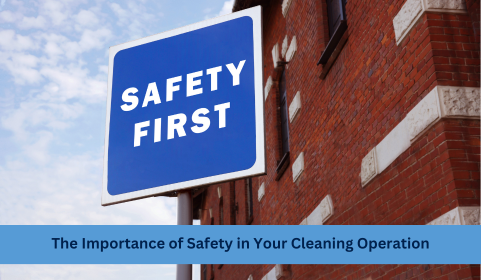
In any commercial cleaning operation, safety is not optional, it’s essential. From protecting team members and building occupants to maintaining compliance and service quality, a strong safety culture plays a critical role in operational success. At Supreme Maintenance Organization, safety is embedded into every process because clean facilities should also be safe facilities.
Whether you manage an in-house custodial team or partner with a professional cleaning provider, prioritizing safety helps reduce risk, improve performance, and protect everyone who enters your facility.
Why Safety Should Be a Top Priority in Cleaning Operations
Cleaning professionals face unique workplace hazards every day, including chemical exposure, slip-and-fall risks, ergonomic strain, and biohazards. Without proper safety protocols, these risks can lead to employee injuries, increased absenteeism, regulatory fines, and operational disruptions.
According to the Occupational Safety and Health Administration (OSHA), cleaning and janitorial hazards fall under multiple General Industry standards related to sanitation, chemical handling, personal protective equipment (PPE), and workplace safety. A proactive safety program not only helps organizations stay compliant but also reinforces professionalism and trust.
Common Safety Risks in Commercial Cleaning
Understanding the most common safety risks is the first step toward preventing accidents and creating a safer work environment.
Chemical Handling and Storage
Many commercial cleaning products contain hazardous chemicals that must be handled, diluted, labeled, and stored properly. OSHA’s guidelines require employers to maintain Safety Data Sheets (SDS) and ensure employees are trained on chemical hazards. Improper chemical handling can result in burns, respiratory issues, and long-term health concerns for cleaning teams.
Slips, Trips, and Falls
Wet floors, cluttered walkways, and inadequate warning signage remain one of the leading causes of workplace injuries. Implementing proper floor care procedures and displaying caution signage during cleaning activities significantly reduces these risks—especially in high-traffic environments. Industry resources such SMO University frequently highlight slip-and-fall prevention as a critical safety priority in commercial cleaning operations.
Ergonomic and Physical Strain
Cleaning is physically demanding work that often involves repetitive motions, lifting equipment, and extended periods of standing or bending. Over time, these activities can lead to musculoskeletal injuries if not addressed properly. Using ergonomically designed tools, rotating tasks, and providing proper training can greatly reduce physical strain. Resources like SafetyCulture’s cleaning safety guide outline common ergonomic risks and practical prevention strategies.
Biohazards and Infection Control
In environments such as healthcare facilities, schools, and high-occupancy buildings, exposure to bloodborne pathogens and infectious materials is a serious concern. Proper disinfection procedures, PPE usage, and training are essential to protecting both cleaning professionals and building occupants. The https://www.cdc.gov/hygiene/cleaning-disinfecting.html provides clear guidance on the difference between cleaning, sanitizing, and disinfecting—and how to perform each safely.
Building a Strong Safety Culture
A safe cleaning operation goes beyond meeting minimum requirements—it requires commitment at every level of the organization.
Ongoing safety training ensures team members understand chemical safety, equipment use, PPE requirements, and emergency response procedures. OSHA encourages employers to implement structured safety and health programs, which are outlined in their https://www.osha.gov/safety-management. Clear procedures, consistent communication, and leadership accountability all play a role in reinforcing safe behaviors on the job.
Education and continuous improvement are also supported through industry outlets such as CleanLink’s professional education resources, which provide ongoing insights into best practices for cleaning professionals.
How Professional Cleaning Partners Support Safety
Partnering an experienced commercial cleaning provider helps organizations maintain safe, compliant environments without placing additional strain on internal teams. A professional partner brings established training programs, standardized procedures, and industry knowledge that support safer outcomes.
At Supreme Maintenance Organization, safety is built into every service through extensive employee training, OSHA-aligned procedures, and a purpose-driven approach to cleaning. This commitment helps ensure consistent, high-quality results while protecting people and property.
Safety Protects People—and Your Business
A strong safety program delivers benefits that go beyond compliance. It helps reduce workplace injuries, improves service consistency, strengthens risk management efforts, and builds trust with employees, clients, and facility occupants alike. Most importantly, it reinforces the idea that safety is not just a requirement, it’s a responsibility.
Final Thoughts
The importance of safety in your cleaning operation cannot be overstated. Whether you oversee an in-house team or work with a professional cleaning partner, prioritizing safety leads to healthier environments, stronger teams, and long-term success.